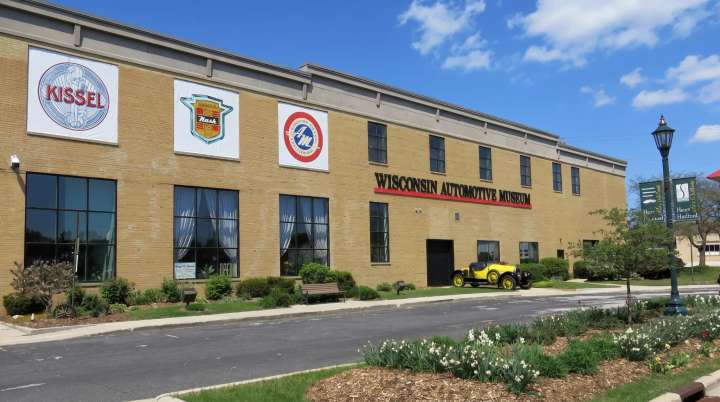
The Wisconsin Automotive Museum is the standout attraction in Hartford, and it is here for a reason: the Kissel car was built in this town from 1906 to 1931. The museum is Wisconsin's largest, with more than 120 vehicles under one roof, and it holds the largest assembled group of Hartford-built Kissels anywhere in the world. This is the story of the museum, the cars that came out of Hartford, and how to plan a visit around them.
What is the Wisconsin Automotive Museum?
The Wisconsin Automotive Museum is the state's largest auto museum, sitting downtown at 147 N Rural St, one block off Main. Inside an art deco interior it displays more than 120 vehicles across roughly an acre, spanning marques from the early 1900s to the 1990s: Nash, Hudson, Pontiac, Studebaker, Kaiser, Chevrolet, Ford, and more, some owned by the museum and some on loan, so the lineup shifts over time. It is more than cars, too. The collection takes in the 1913 #1003 Soo Line steam locomotive and railroad artifacts, a Wisconsin Highway History exhibit that traces the state's pioneering numbered-highway system, an assortment of outboard engines built in Hartford from the 1930s to the 1990s, and cases of petroliana, the gas pumps, porcelain signs, license plates, and oil cans that go with a century of driving. Clubs including the Nash Car Club of America, the Hudson Essex Terraplane Historical Society, and the Southeastern Wisconsin Short Track Hall of Fame keep dedicated space here, and there is even the only known Badger car on display. It is a deeper, stranger collection than the "small-town car museum" label suggests.
The Kissel car, built right here in Hartford
The heart of the museum is the Kissel story, and it is a genuinely local one that most visitors have never heard before they walk in. The Kissel Motor Car Company built luxury cars in Hartford from 1906 to 1931, which made it the second-longest-running carmaker in Wisconsin. Around 27,000 Kissels were built in all; fewer than 150 are known to survive today, and the museum has roughly 27 of them, the largest single collection anywhere in the world. The most famous model was the two-passenger Speedster, nicknamed the Gold Bug, a genuinely glamorous car for its day whose owners included Amelia Earhart, Mary Pickford, Douglas Fairbanks, and Greta Garbo. The company made everything from touring cars to fire engines and trucks, and the museum's Kissel Gallery rotates exhibits through the collection. Standing in front of a Gold Bug in the town where it was built, a block from where the factory stood, is the reason this museum is worth a stop even if you are not a car person. It is a real piece of American industrial history, kept alive by the community that made it.
What to see when you visit
Give yourself an hour or two. The highlights are the Kissel gallery and the Gold Bug, the Soo Line steam locomotive, and the Wisconsin Highway History room, which traces how the state built the first numbered highway system in the country back in 1917, a year before Michigan did something similar. The cars sit across two floors, and because the museum shows loaned vehicles alongside its own, the lineup changes from visit to visit, so regulars find new things each time. Look for the outboard motors built in Hartford, the old teardrop camper, and the petroliana cases, which give a fuller sense of the era than the cars alone. It is an easy place to bring kids: there is a lot to look at, the signage is well done and genuinely informative rather than just labels, and the open, walkable layout keeps younger visitors moving. Even people who arrive skeptical tend to come out impressed by the craftsmanship and the local story.
Planning your visit: hours, admission, and getting there
The museum is downtown at 147 N Rural St, one block north of Highway 60 and one block west of Highway 83, with street parking nearby and more a short walk away. Hours and admission change with the season, and the museum runs on a modest nonprofit budget, so check its own site for the current schedule and prices before you go rather than relying on a number that may have moved. It is an indoor, all-weather option, which makes it a reliable choice on a cold or rainy day when the outdoor attractions are less appealing, and a natural pairing with a downtown lunch. Allow a bit more time if you are visiting with someone who knows cars, since the collection rewards a slow look, and check whether any special exhibits or club events are on during your visit.
Why the museum is in Hartford
The museum's location is no accident. Hartford was itself an automotive manufacturing center in the early 20th century, home to the Kissel Motor Car Company and, later, outboard-motor makers, so a museum devoted to Wisconsin's automotive heritage belongs here more than almost anywhere else in the state. The community rallied to make it happen, including donating a former cannery building to house the collection, and it has grown from a volunteer effort into a respected institution that draws visitors from well beyond Wisconsin. That local pride runs through the town's identity to this day: Hartford still leans on its American-made, car-town roots, from the auto-parts trade to the tagline about coming for the cars. Visiting the museum is the clearest way to understand why, and it reframes the rest of a day in Hartford, the meat markets, the downtown, the workmanlike feel of the place, as parts of the same industrious small-city story.
Make a day of it around the museum
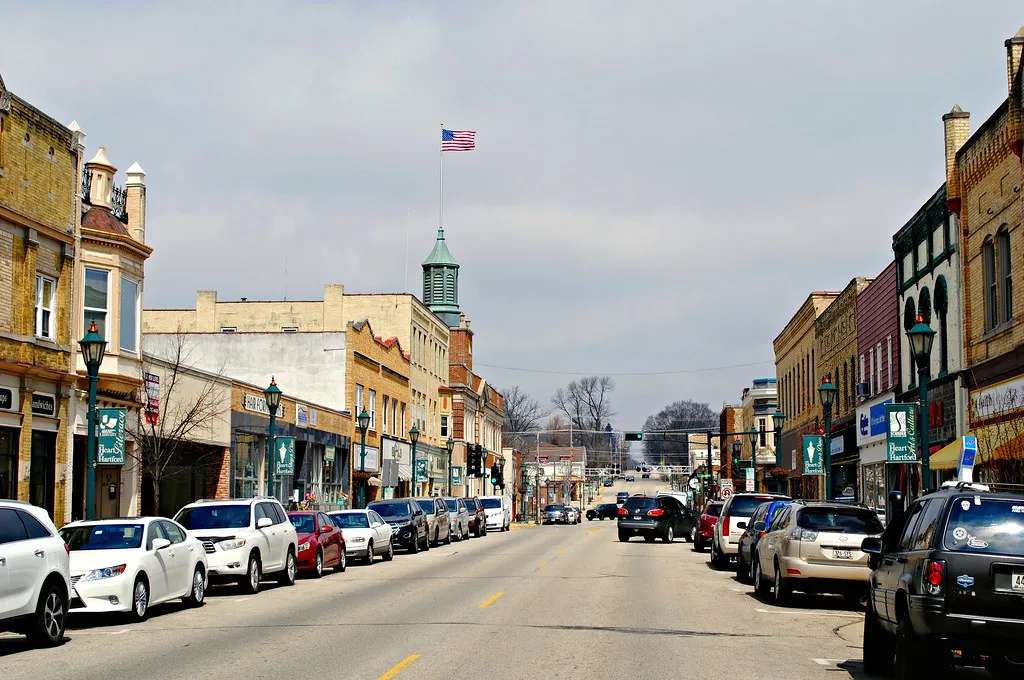
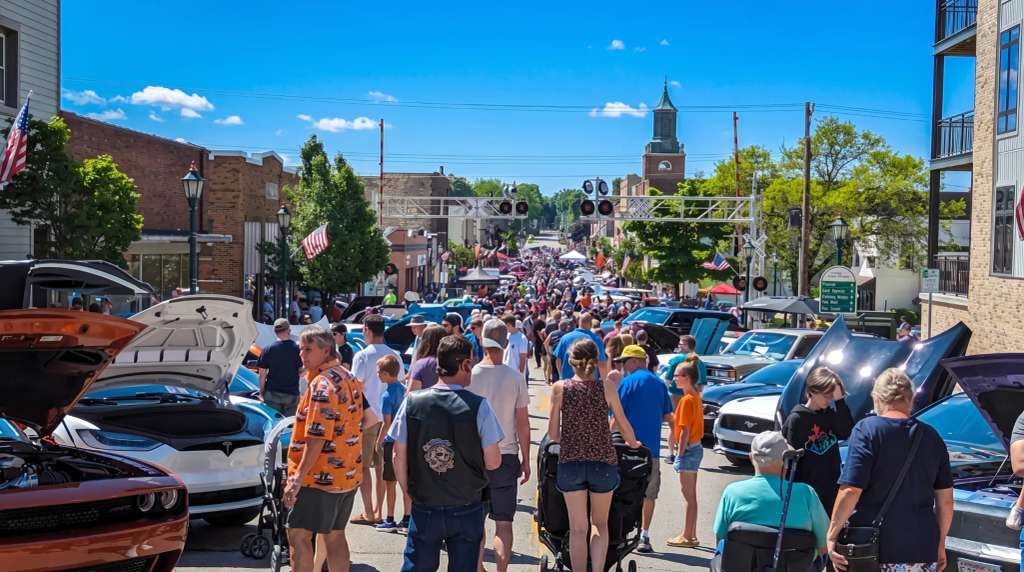
The museum pairs naturally with the rest of downtown. It sits a short walk from the shops and cafes, so you can fold in lunch and a browse without moving the car. In mid-June, Wisconsin AutoFest brings classic cars to the museum grounds, the best single day of the year to combine the collection with a show, and it sits on the town's events calendar. For coffee or a bite nearby, Coffee Trader is an easy downtown stop.
If you are building a fuller day, the downtown's antique shops are close by, and where to eat downtown covers meals. For the wider picture, see the other things to do in Hartford.
Frequently asked questions
Published August 11, 2026