The best time to visit West Bend depends on what you want out of it. This is a four-season Wisconsin town with a humid continental climate: warm green summers, a genuinely colorful fall, cold snowy winters, and a wet but reviving spring. Summer is the easy answer for outdoors and events, but each season has a reason to come, and the indoor draws like the art museum carry the cold months. Here is what to expect, season by season, with the numbers to plan around.
Summer: the peak season
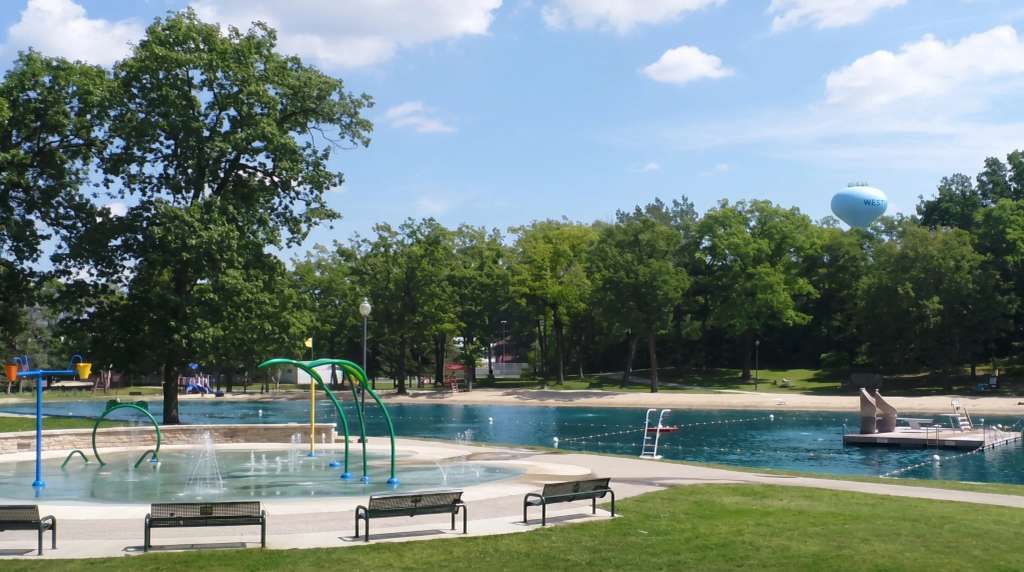
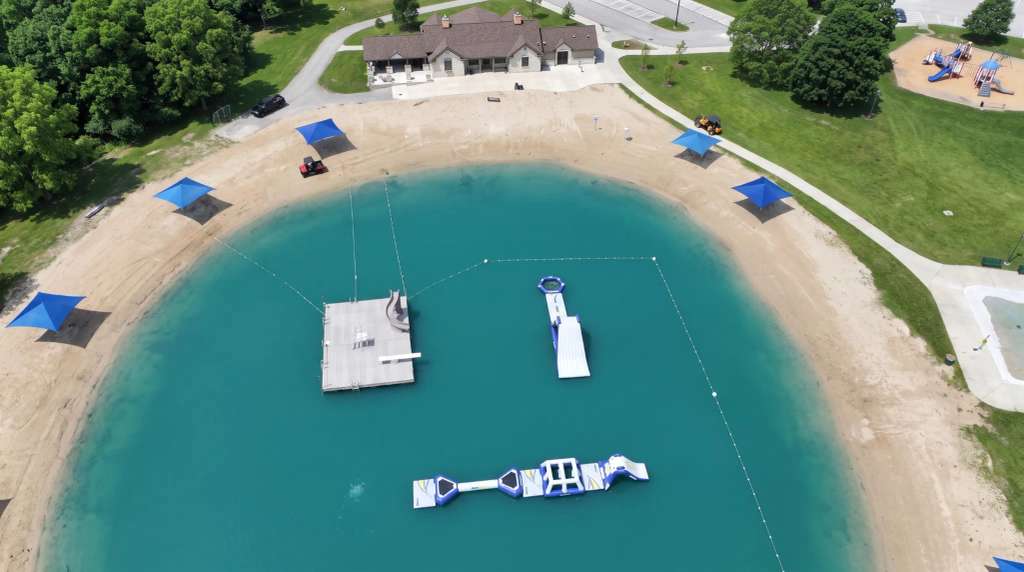
Summer, June through August, is when West Bend is busiest and at its best. July is the warmest month, with average highs around 77 degrees Fahrenheit and lows near 62, comfortable rather than scorching, with the occasional humid afternoon and a thunderstorm now and then. The Regner Park swim pond and splash pad are open, the Saturday farmers market runs downtown, the Silver Lining Amphitheater and Music on Main bring live music, and the Ice Age Trail is dry and green. If you want the full town switched on, come now.
Fall: color and quiet
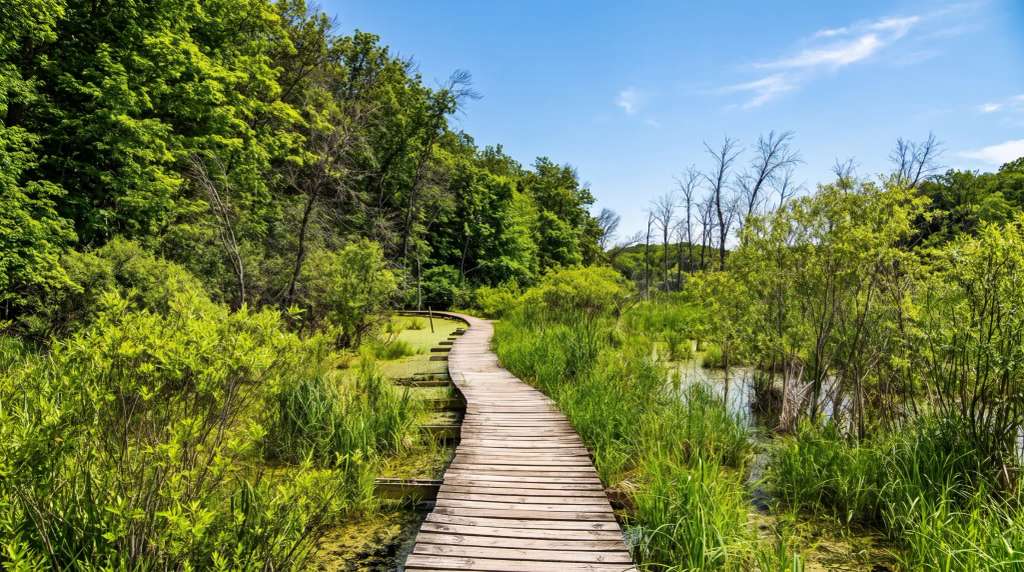
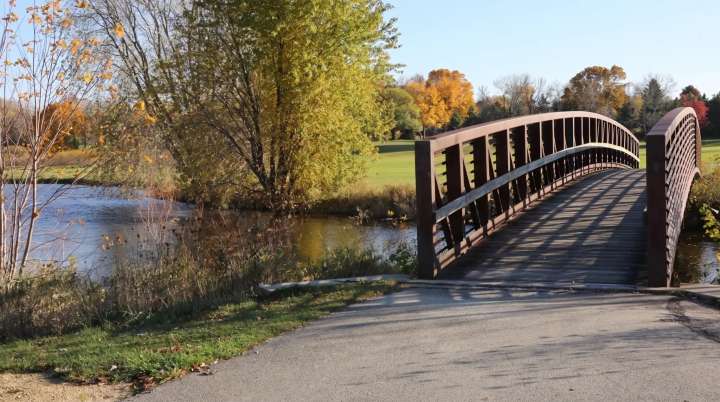
Fall, September into November, is arguably the prettiest time to walk here, and many locals quietly prefer it. September still runs warm, with highs near 69, before the drop to the low 40s by November. The Ice Age Trail and Ridge Run Park turn color, the crowds thin, and the hiking temperatures are ideal. Rainfall actually eases through autumn, from about 1.8 inches in September down to roughly 1 inch in November, so you get drier trails than spring. September in particular hits the sweet spot of warm days and low crowds.
Winter: cold, but not closed
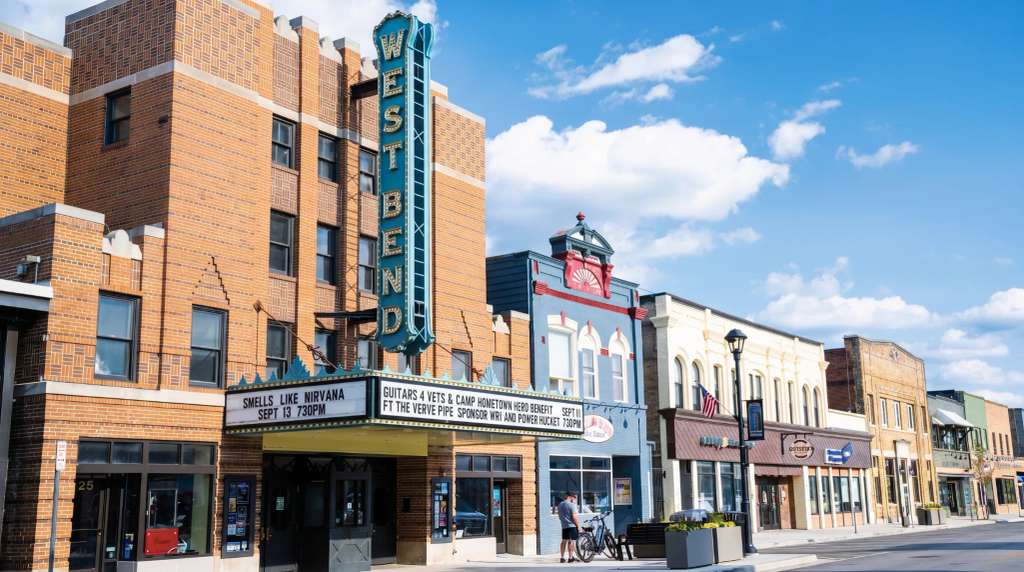
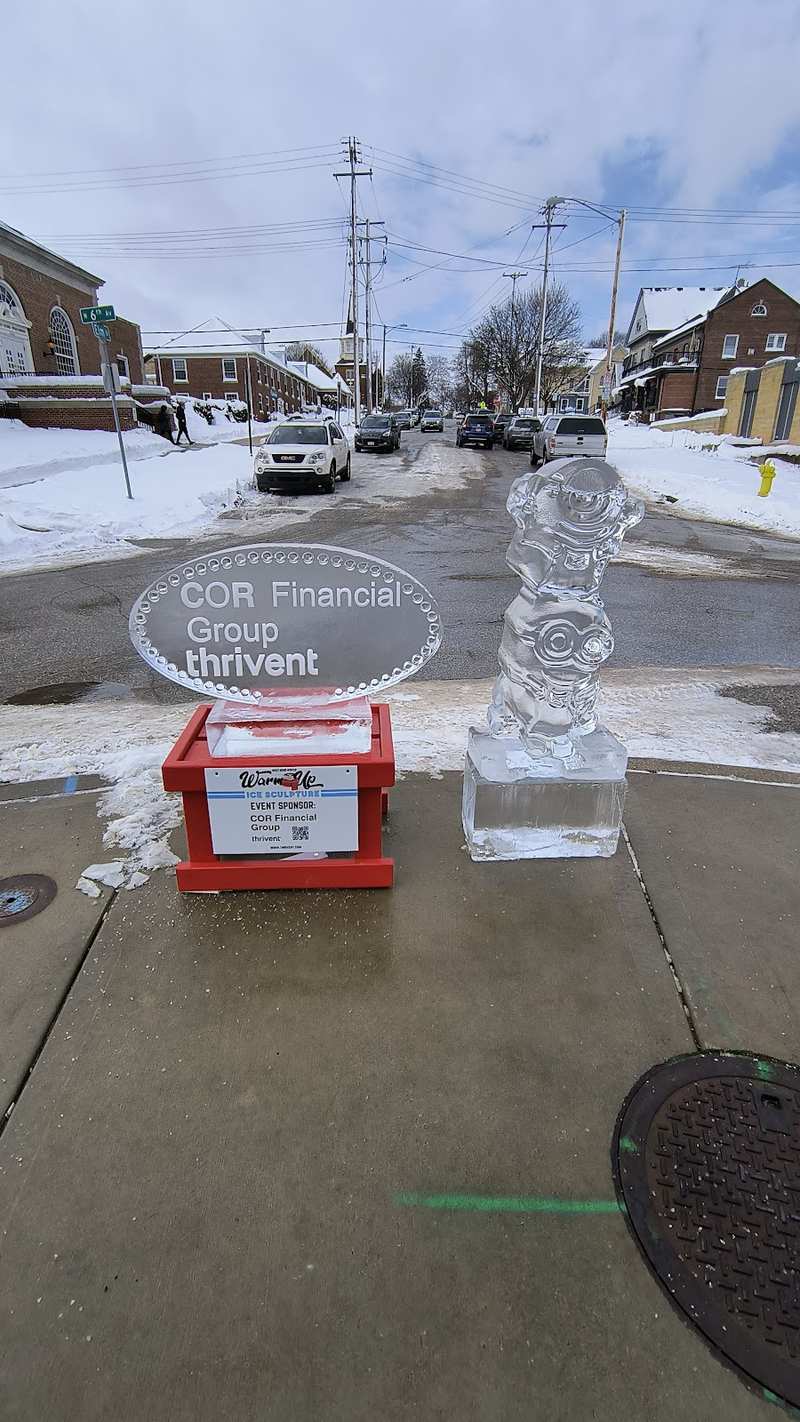
Winter is genuinely cold. January is the coldest month, with average highs around 24 degrees Fahrenheit and lows near 13, and December through February bring the snow, peaking around January. The town averages about 43 inches of snow a year, well above the national average, so plan for winter driving. But West Bend does not shut down: the Museum of Wisconsin Art and the West Bend Cinema make warm indoor days, the Kettle Moraine Ice Center runs public skating, and downtown lights up for the holidays. Come for a cozy indoor-and-culture weekend rather than the outdoors.
Spring: the wet shoulder
Spring, March through May, is the transition, and the wettest stretch of the year: April is the single rainiest month, averaging close to 4 inches, so expect mud on the Ice Age Trail early on. The snow melts, the golf courses reopen, and by late spring the farmers market is back and the town shifts into its summer rhythm. Highs climb from the 40s in March toward the 60s and 70s by late May. It is a quieter, cheaper time to visit if you do not mind changeable weather and soft ground underfoot.
Timing your visit to events
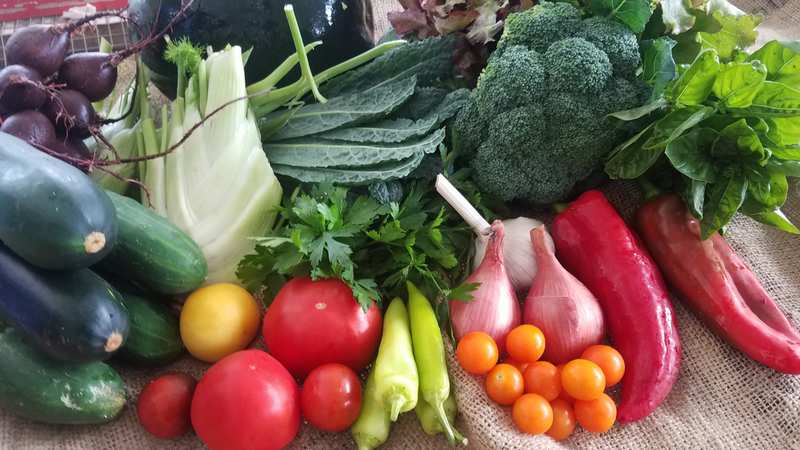
If an event is the draw, plan around the calendar. The downtown farmers market runs Saturday mornings spring through October; Music on Main and the Silver Lining summer concerts fill June through August; the Ice Age Trail Alliance's Mammoth Hike Challenge runs in October; and the downtown holiday lights and season take over from late November. Summer weekends are the busiest, so book lodging ahead; spring and late fall are the easiest times to find a room.
The short answer
For the fullest experience, aim for late spring through early fall, with June to September the sweet spot for warm weather, open attractions, and events. Come in fall for color and quiet, or winter for a cozy indoor weekend. Whenever you come, the layers rule applies, since the weather here swings quickly across a day. For how to fill the days once you have picked your season, see things to do in West Bend, and to build a trip around it, a West Bend weekend getaway.
Frequently asked questions
Published June 16, 2026